Hawthorn, Hibiscus and Beetroot for Heart Health: What the Research Actually Shows
Quick Answer: Do These Botanicals Help Heart Health?
To a modest, real extent for the right person. Dietary nitrate from beetroot is the best-supported: trials show it can help blood vessels relax and modestly lower blood pressure. Hibiscus has repeatedly shown a small blood-pressure-lowering effect, and garlic has modest data for blood pressure and cholesterol within normal ranges. Hawthorn has the longest history as a cardiovascular botanical, with some heart-failure symptom benefit reported, though the larger trials are mixed. None of these is a treatment for heart disease or high blood pressure, and none works overnight.
- Best supported: beetroot nitrate for blood flow and blood pressure.
- Modest but real: hibiscus and garlic on blood pressure.
- Key caveat: support, not a cure — see a clinician for symptoms or high readings.
Why hawthorn, and why it is so often misunderstood
Hawthorn (Crataegus) has been a folk remedy for the heart for centuries, and for a long time the science was frustratingly mixed. Part of the confusion was study design: early trials were small, used different extracts and standardisations, and often tested hawthorn as an add-on in people already on heart medication. Its flavonoids and oligomeric procyanidins are the compounds thought to support heart-muscle function and blood-vessel tone.
A Cochrane review of hawthorn extract as an adjunct for chronic heart failure pooled ten trials and 855 patients and found modest improvements in maximal workload, exercise tolerance and symptoms such as breathlessness and fatigue. Later, larger trials were less clear-cut, so the honest summary is: real cardiovascular research history, genuinely mixed results, and best understood as support rather than treatment.
What the hawthorn trials actually measured
Hawthorn is one of the few botanicals in this category with a genuine randomised-trial record, so it is worth being precise about what those trials tested. Almost all of them recruited people who already had diagnosed chronic heart failure and were already taking conventional medication. Hawthorn was the add-on, not the treatment, and the outcomes were exercise-capacity measures rather than heart attacks or survival.
In the Cochrane pooling, hawthorn beat placebo on maximal workload by roughly five watts and improved an index of cardiac oxygen consumption, with adverse events described as infrequent, mild and transient. That is a real signal, but it is a small physiological one in an unwell population. The counterweight is the HERB CHF trial, which randomised 120 patients on contemporary heart-failure therapy to 450 mg of hawthorn twice daily or placebo for six months and found no difference in six-minute walk distance, quality of life or functional capacity, with more adverse events reported in the hawthorn arm.
Those two results are less contradictory than they look. The older pooled trials largely predate current heart-failure drug therapy; once patients are optimally medicated, there is far less room for a botanical to add anything measurable. And for a healthy adult taking hawthorn as general cardiovascular support, neither body of evidence really applies — which is the most honest thing anyone can say about it.
The blood-pressure side: hibiscus, garlic and nitrate
The more consistent evidence in this category is about blood pressure and blood flow. Hibiscus (roselle) tea and extract have shown a small but repeatable blood-pressure-lowering effect across several human trials: a 2022 systematic review of 17 chronic trials reported a pooled systolic reduction of about 7 mmHg against placebo, with the largest effect in people whose readings were already elevated at baseline. The confidence interval was wide and the individual studies disagreed with each other a great deal, so treat that number as a direction of travel rather than a promise. Garlic has similar modest data for both blood pressure and cholesterol already within normal ranges, which we go through in our look at what the garlic blood-pressure and cholesterol trials actually found.
Dietary nitrate from beetroot is the standout mechanism. Once ingested, nitrate is converted along the pathway toward nitric oxide, which signals blood vessels to relax — the same pathway we unpack in our guide to endothelial function and how arteries actually widen. A meta-analysis of 16 randomised crossover trials found inorganic nitrate and beetroot juice lowered systolic blood pressure by about 4.4 mmHg, with higher daily doses associated with larger falls, while diastolic pressure barely moved. That is why nitrate appears in so many cardiovascular formulas, and why we treat beetroot, nitrate and the nitric-oxide pathway as a topic in its own right.
What the evidence supports, in one table
| Ingredient | What the research supports |
|---|---|
| Beetroot nitrate | Modestly supports blood flow and blood pressure via nitric oxide |
| Hibiscus (roselle) | Small blood-pressure-lowering effect in human trials |
| Aged garlic | Modest data for blood pressure and cholesterol in normal ranges |
| Hawthorn (Crataegus) | Some heart-failure symptom benefit; larger trials mixed |
| Arjuna / cayenne | Traditional use; little robust human clinical data |
How much did the trials actually use?
This is the question that separates a marketing claim from an evidence claim, and it is worth writing the numbers down. These are the amounts used in the published human research — not a recommendation, and not necessarily what sits in any finished product.
| Ingredient | Amount used in the research | Typical study length |
|---|---|---|
| Hawthorn extract | 450 mg twice daily in the HERB CHF trial; standardised leaf-and-flower extracts in the Cochrane trials | 6 months |
| Hibiscus | Brewed tea or a standardised extract, taken daily | 2–12 weeks in most chronic trials |
| Beetroot / inorganic nitrate | Nitrate-rich juice or nitrate salt, with larger daily doses linked to larger falls | 2 hours to 15 days in the pooled crossover trials |
| Aged garlic extract | A standardised aged extract taken daily | Weeks to months |
Two things jump out. First, the nitrate trials are strikingly short — several are single-dose crossovers measuring blood pressure hours later, which tells you about an acute vascular response, not about a year of daily use. Second, nobody has run a long outcome trial asking whether any of these botanicals prevents a heart attack. If a product implies otherwise, the implication is not coming from the literature. Timelines are their own subject, and we set realistic ones in our piece on how long heart supplements take to work.
What the evidence shows, and what it does not
What it shows. Dietary nitrate lowers systolic blood pressure in short randomised trials, with larger doses doing more. Hibiscus produces a small-to-moderate systolic reduction, concentrated in people whose readings were already elevated. Garlic has repeatable, modest effects on blood pressure and lipids. Hawthorn improved exercise-capacity measures in older heart-failure trials where it was added to older drug regimens.
What it does not show. None of these trials measured heart attacks, strokes or survival. Almost none ran longer than a few months. The hibiscus and hawthorn pooled results carry high statistical heterogeneity, which means the individual studies disagreed with one another more than you would like before quoting an average. And no trial has tested the specific blend, in the specific amounts, inside any specific finished supplement — a distinction we go through in our piece on the most common heart-supplement myths.
Five mistakes people make with heart botanicals
- Reading an ingredient study as a product study. A trial of a standardised hawthorn extract says nothing about a blend containing an unstated fraction of it.
- Ignoring the baseline. Almost every positive blood-pressure result is largest in people who started high. If your readings are already normal, expect less — that is not the supplement failing, it is that there was less to move.
- Stacking without checking interactions. Hawthorn, garlic and nitrate all touch blood pressure or clotting, and so do many prescriptions. Our heart supplement and drug interaction guide covers the combinations worth raising with a pharmacist.
- Judging it in a week. Nitrate can move a reading within hours; hibiscus and garlic trials generally run for weeks or months before measuring anything.
- Skipping the boring interventions. Sodium, potassium, body weight, alcohol and sleep move blood pressure further than any botanical here, and they cost nothing. We put them in order of effect size in lowering blood pressure naturally without medication.
Where the evidence stops
Two honest limitations are worth stating plainly. First, a finished multi-ingredient supplement is not the same as any single studied dose — the ingredients can have evidence while the specific product has never been trialled. Always check a label’s milligrams against what the studies actually used. Second, none of this treats a heart condition. If you have chest pain, breathlessness, palpitations, or a blood-pressure reading your doctor is worried about, that is a medical situation, and a botanical is not the answer — a clinician is.
Medical note: this article is general information, not medical advice. Speak to a healthcare professional before starting any supplement, especially if you are pregnant, nursing, or taking medication — hawthorn and garlic in particular interact with blood-pressure drugs, blood thinners and heart medications. Chest pain or pressure, a heartbeat that races or flutters, fainting or near-fainting, or sudden breathlessness are emergency symptoms — call your local emergency number or go to an emergency department rather than reaching for a supplement.
Scientific references
- Pittler MH. et al. — Hawthorn extract for treating chronic heart failure, Cochrane Database of Systematic Reviews
- NIH NCCIH — Garlic: What You Need To Know
- NIH NCCIH — High Blood Pressure and Dietary Supplements
- Ellis LR et al. — A systematic review and meta-analysis of the effects of Hibiscus sabdariffa on blood pressure and cardiometabolic markers, Nutr Rev 2022
- Zick SM et al. — Hawthorn Extract Randomized Blinded Chronic Heart Failure (HERB CHF) trial, Eur J Heart Fail 2009
- Siervo M et al. — Inorganic nitrate and beetroot juice supplementation reduces blood pressure in adults: a systematic review and meta-analysis, J Nutr 2013
- Ried K — Garlic Lowers Blood Pressure in Hypertensive Individuals, Regulates Serum Cholesterol, and Stimulates Immunity: An Updated Meta-analysis and Review, J Nutr 2016
- Lichtenstein AH et al. — 2021 Dietary Guidance to Improve Cardiovascular Health: A Scientific Statement From the American Heart Association, Circulation 2021
Related reading
- Beetroot, nitrate and nitric oxide for blood pressure
- Garlic for blood pressure and cholesterol: the evidence
- How to lower blood pressure naturally, without meds
- Heart supplement and drug interactions: a safety guide
Frequently asked questions
Does hawthorn help the heart?
To a modest degree in specific settings. A Cochrane review of hawthorn extract as an add-on for chronic heart failure found small improvements in symptoms and exercise tolerance, though later larger trials were less clear-cut. For general wellness it is best seen as traditional cardiovascular support with limited, mixed evidence, not a treatment.
Can hibiscus lower blood pressure?
Several human trials and meta-analyses show hibiscus tea or extract produces a small reduction in blood pressure, most noticeably in people with readings at the higher end of normal. The effect is modest and not a replacement for prescribed antihypertensive medication.
What does beetroot nitrate do?
Beetroot is rich in dietary nitrate, which the body converts along the pathway toward nitric oxide, the molecule that helps blood vessels relax. Trials show dietary nitrate can modestly support blood flow and lower blood pressure, and it is one of the more consistently studied mechanisms in this category.
Can a supplement replace blood-pressure medication?
No. High blood pressure and heart disease can require prescription medication, and a dietary supplement is not a substitute. These botanicals are studied for support of readings already in a normal range, not for treating diagnosed hypertension. Never stop prescribed medication without your doctor.
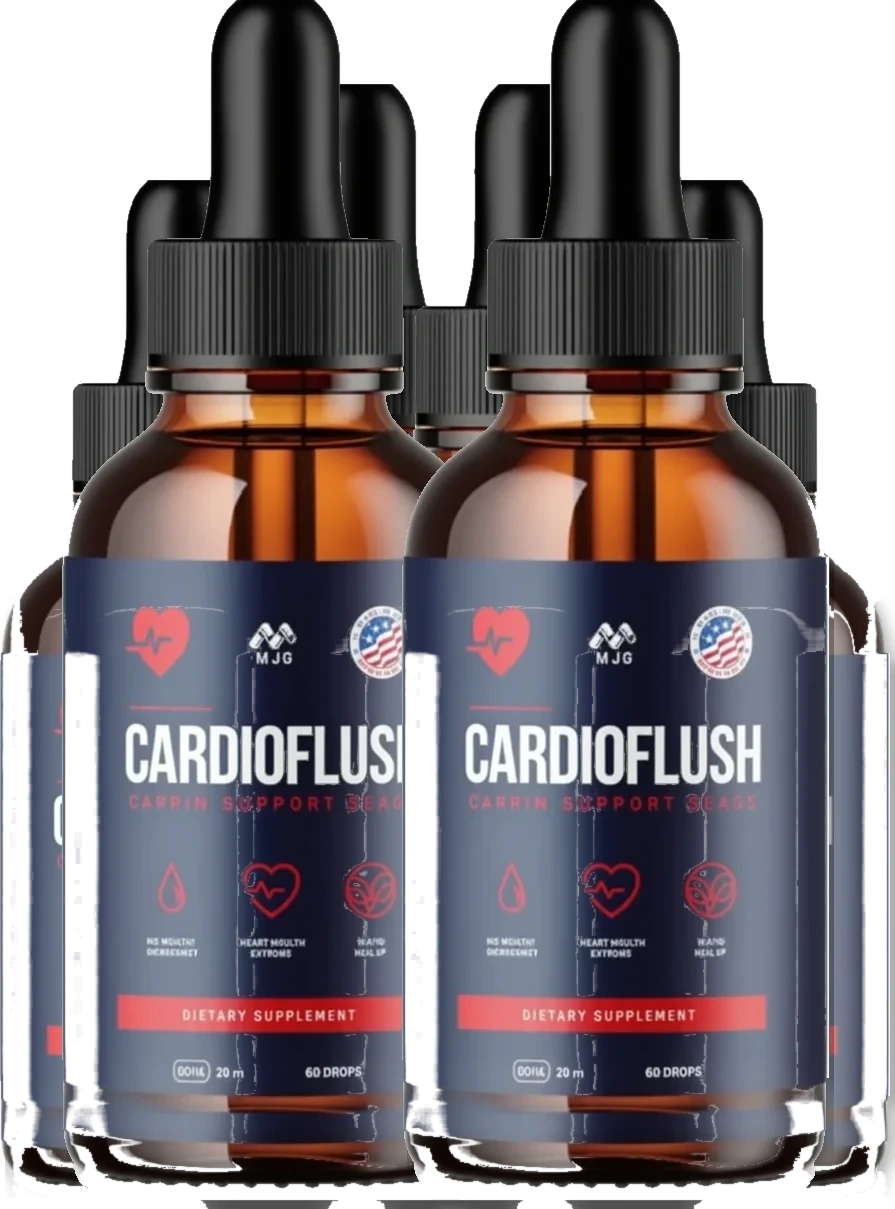
See how Cardioflush puts this together
Hawthorn, hibiscus, garlic and beetroot nitrate in one daily dropper — with every ingredient and its evidence laid out.
Read the Cardioflush Review