Beetroot, Nitrates and Nitric Oxide for Blood Pressure
Quick Answer: Does Beetroot Lower Blood Pressure?
Yes, modestly. Beetroot is rich in dietary nitrate, which the body converts toward nitric oxide, the molecule that relaxes blood vessels. Trials using about 8 ounces (250 ml) of beet juice daily have lowered systolic blood pressure by roughly 4 to 8 mmHg, peaking 2 to 3 hours after drinking. Antibacterial mouthwash can blunt the effect.
- Typical amount: ~250 ml beet juice, ~300–600 mg nitrate.
- Peak effect: about 2–3 hours after a dose.
- Watch out: antiseptic mouthwash disrupts the pathway.

Why beetroot became a blood-pressure favourite
Beetroot is one of the most consistently studied foods in cardiovascular research, and the reason is not some exotic antioxidant, it is a simple nutrient: dietary nitrate. Beets, along with leafy greens like spinach, rocket and celery, concentrate nitrate from the soil. Once you understand the pathway that nitrate feeds, the interest makes sense, and so do the limits. This is one of the few supplement stories where the mechanism is well mapped from the first mouthful to the change in a blood-pressure reading.
That clarity is exactly why beetroot appears in so many circulation and blood-pressure formulas. It is a food-derived ingredient with a plausible, testable mechanism and a decent stack of human trials behind it, which is more than can be said for many botanicals in this category. Those formulas usually pair nitrate with botanicals whose evidence is thinner, which we weigh up in our hawthorn, hibiscus and beetroot evidence review.
The nitrate to nitric oxide pathway, step by step
Here is the chain in plain terms. You consume nitrate from beetroot. Some of it is absorbed and concentrated in your saliva. Friendly bacteria living on your tongue then convert that nitrate into nitrite. When you swallow, the acidic environment of the stomach and further steps in the blood convert nitrite toward nitric oxide (NO). Nitric oxide is a signalling molecule that tells the smooth muscle lining your blood vessels to relax, a process called vasodilation. Wider, more relaxed vessels mean blood flows with less resistance, and pressure eases.
This is known as the nitrate-nitrite-nitric oxide pathway, and it runs alongside your body's own internal system for making nitric oxide. The dietary route becomes especially useful because the body's own production can decline with age and with poorer blood-vessel health, which is where a nitrate-rich food or supplement can lend a hand.
What the trials measured
Across numerous randomised studies and several meta-analyses, a fairly repeatable picture emerges. Drinking around 8 ounces (250 ml) of beetroot juice, delivering roughly 300 to 600 mg of nitrate, has produced systolic blood-pressure reductions in the region of 4 to 8 mmHg, with smaller diastolic changes. The effect is clearest in people whose blood pressure is elevated to start with and more muted in those already in a healthy range. Beetroot and dietary nitrate have also been studied for exercise performance, since better blood flow and oxygen efficiency can modestly improve endurance.
A 4 to 8 mmHg shift is not dramatic, but at a population level even small, sustained reductions in blood pressure are meaningful. The key word is sustained, which points to the timing details that most people miss.
Timing and dosing at a glance
| Detail | What studies used | Notes |
|---|---|---|
| Typical serving | ~250 ml beet juice | Roughly 300–600 mg nitrate |
| Onset | Within ~1 hour | Blood nitrate/nitrite rise |
| Peak effect | ~2–3 hours post-dose | Then fades over the day |
| Best pattern | Daily, consistent | Steadier than one-off doses |
The mouthwash trap most people miss
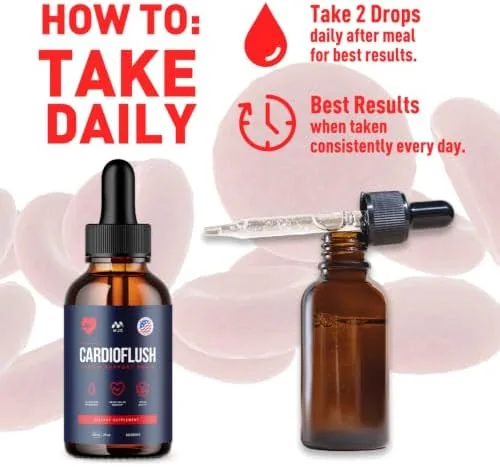
Here is the detail that surprises even careful readers: the whole pathway hinges on the bacteria living on your tongue. Those microbes perform the crucial nitrate-to-nitrite conversion that your own cells cannot do efficiently. Antibacterial or antiseptic mouthwash wipes out those helpful bacteria, and studies have shown it can blunt or even abolish beetroot's blood-pressure effect for as long as the mouth stays sterilised. If you are using dietary nitrate deliberately, it makes little sense to rinse away the very bacteria you are relying on. Regular brushing is fine; it is the antiseptic rinse that causes the problem. Avoiding antiseptic mouthwash around your dose is one of the very few instructions in this category with randomised evidence behind it, which is why it heads our guide to taking heart supplement drops properly.
Juice, powder or capsule?
Beet juice is the form used in most trials, so it has the strongest track record. Concentrated nitrate “shots” are convenient and usually state their nitrate content, which makes them easy to match to studied doses. Powders and capsules can work too, but here is the catch: many list “beetroot extract” in milligrams without ever stating how much nitrate they contain, and nitrate is the active part. If a product does not disclose nitrate milligrams, you cannot really compare it to the research. A harmless, well-known quirk to expect either way is beeturia, a pink tinge to urine or stool from the natural pigment; it is not a cause for concern. Nitrate is not the only dietary route into this pathway, either: the amino-acid approach is covered in our guide to L-citrulline, L-arginine and nitric oxide.
Who responds most, and how to test yourself
Dietary nitrate does not affect everyone equally, and knowing where you sit helps set fair expectations. The clearest responders in the research are people whose blood pressure is already elevated and, often, older adults, whose own nitric-oxide production tends to be lower. Younger people with healthy readings usually see smaller shifts, simply because there is less to change. Baseline diet matters too: someone who already eats plenty of leafy greens is topping up a system that is not running low, while a person on a vegetable-light diet may notice more.
If you want to know whether you are a responder, treat it as a short, structured experiment rather than a vague habit. Take consistent home blood-pressure readings for a week before you start, at the same times and under the same conditions. Then add a standardised daily dose of nitrate, keep everything else steady, and re-measure over the following weeks, paying attention to readings taken a few hours after your dose, when the effect tends to peak. Because tolerance to the acute effect can develop, the sustained day-to-day change matters more than any single dramatic reading.
It is also worth remembering that beetroot is food first. Getting nitrate from a varied plate of beets, rocket, spinach and celery brings fibre, potassium and other nutrients along for the ride, which a concentrated shot does not. For many people the most durable version of this strategy is simply eating more nitrate-rich vegetables regularly, with a supplement used to hit a consistent, known dose when convenience or precision matters.
Medical note: this article is general information, not medical advice. Beetroot is food, but if you take blood-pressure medication or nitrate drugs such as those for angina, adding concentrated nitrate could stack effects. Speak to a healthcare professional before starting, especially if you are pregnant, nursing, or managing high blood pressure. Chest pain or pressure, a heartbeat that races or flutters, fainting or near-fainting, or sudden breathlessness are emergency symptoms — call your local emergency number or go to an emergency department rather than reaching for a supplement.
Frequently asked questions
How much beet juice lowers blood pressure?
Most trials used about 8 ounces (250 ml) of beetroot juice per day, delivering roughly 300 to 600 mg of dietary nitrate. At those amounts, studies have reported systolic blood-pressure reductions of around 4 to 8 mmHg, with the clearest effects in people whose readings were elevated to begin with. Individual responses vary.
How long after drinking beet juice does BP drop?
Blood nitrate rises within an hour, and the blood-pressure effect typically peaks about 2 to 3 hours after drinking, then fades over the day. That is why regular daily intake matters more than a single serving. Consistent use over weeks tends to give steadier results than one-off doses.
Why can mouthwash reduce beetroot's benefits?
The pathway depends on friendly mouth bacteria that convert nitrate into nitrite, the step before nitric oxide. Antibacterial mouthwash kills those bacteria, which can blunt or even eliminate beetroot's blood-pressure effect. If you rely on dietary nitrate, avoid antiseptic mouthwash around the same time.
Are beetroot capsules as effective as juice?
They can be, but only if they deliver a comparable, standardised dose of nitrate. Many capsules and powders list beetroot content without stating nitrate milligrams, so potency is uncertain. Concentrated nitrate shots or products that specify nitrate content are easier to match to the doses used in studies.
Scientific references
- Siervo M et al. — Inorganic nitrate and beetroot juice supplementation reduces blood pressure in adults: a systematic review and meta-analysis, J Nutr 2013
- NIH NCCIH — High Blood Pressure and Dietary Supplements
- Jones AM et al. — Dietary Nitrate and Nitric Oxide Metabolism: Mouth, Circulation, Skeletal Muscle, and Exercise Performance, Med Sci Sports Exerc 2021
- NIH Office of Dietary Supplements — dietary supplement fact sheets
- Bahadoran Z et al. — The Nitrate-Independent Blood Pressure-Lowering Effect of Beetroot Juice: A Systematic Review and Meta-Analysis, Adv Nutr 2017
Related reading
See how Cardioflush uses beetroot nitrate
A daily cardiovascular formula built around beetroot nitrate and studied botanicals for circulation and healthy blood-pressure support — with every ingredient and its evidence laid out.
Order Now