How Long Do Heart Supplements Take to Work?
Quick Answer: When Should You Expect Results?
It depends on the ingredient. Beetroot nitrate can support blood flow within hours, which is why athletes dose it before events. But CoQ10, magnesium and garlic usually need 4 to 12 weeks, and citrus bergamot's lipid effects build over a similar window. Consistency matters more than the exact time you take it.
- Fast (hours): beetroot nitrate for blood flow.
- Slow (4–12 weeks): CoQ10, magnesium, garlic, bergamot.
- Rule of thumb: give any daily supplement 2–3 months.
Why there is no single answer
“How long until it works?” is the most common question people ask about any supplement, and the honest reply is frustrating: it depends entirely on what is in the bottle. A heart-health formula is not one thing acting on one timeline. It is a collection of ingredients, each with its own mechanism, and those mechanisms run at wildly different speeds. Some feed a signalling pathway that changes blood-vessel tone the same afternoon. Others slowly correct a nutrient level or shift a metabolic process over weeks. Lumping them all under one expectation is where disappointment starts.
Managing that expectation is not just about patience for its own sake. If you quit a slow-acting ingredient after five days because you “felt nothing,” you never gave it a fair test. And if you credit a fast-acting ingredient with a permanent transformation after a single dose, you have misread a temporary effect. Understanding the timeline is what lets you judge a supplement honestly instead of by folklore or marketing.
The fast lane: dietary nitrate acts in hours
Beetroot and other nitrate-rich foods are the clearest example of a fast-acting cardiovascular ingredient. After you consume dietary nitrate, your body converts it along a pathway toward nitric oxide, the molecule that signals blood vessels to relax and widen. Human trials have measured modest changes in blood flow and blood pressure within roughly two to three hours of a dose, with the effect peaking and then fading over the day. This is precisely why endurance athletes drink beetroot juice a couple of hours before a race rather than weeks in advance.
The catch is that fast also means fleeting. Nitrate's benefit is acute; it comes and goes with each dose rather than building a permanent reserve. For sustained support you need to take it regularly, and even then it is one lever among many. Fast-acting is genuinely useful, but do not mistake a same-day response for a lasting cure. It is a temporary nudge to a pathway, repeated daily.
The slow lane: nutrients and botanicals that build over weeks
Most heart-health ingredients live in the slow lane, and that is not a flaw; it reflects how they work. Magnesium, for instance, has to replenish body stores before you would expect any effect on things like blood pressure or rhythm, and trials generally run several weeks to months. CoQ10 needs its blood levels to climb and tissues to adapt; the blood-pressure literature typically reports outcomes after 8 to 12 weeks, not days. Garlic's modest effects on blood pressure and cholesterol similarly emerge over months of consistent use, not a single week.
Citrus bergamot is another slow-lane ingredient worth calling out. Its studied effect on cholesterol and other lipids depends on weeks of altered metabolism, with trials commonly running 4 to 12 weeks before reporting changes. There is simply no version of this where a lipid panel shifts meaningfully after two days. The pattern across the slow lane is consistent: the biology takes time, and the studies were designed around that reality.
Typical timelines at a glance
| Ingredient | Typical time to effect | What it is studied for |
|---|---|---|
| Beetroot / dietary nitrate | Hours (per dose) | Acute blood flow and blood pressure |
| Magnesium | 4–12 weeks | Blood pressure, rhythm, replenishing stores |
| CoQ10 / ubiquinol | 8–12 weeks | Blood pressure, cellular energy support |
| Aged garlic | 8–12 weeks | Blood pressure and cholesterol in normal ranges |
| Citrus bergamot | 4–12 weeks | LDL and other lipid support |
Does timing of day or food matter?
People often obsess over whether to take a supplement morning or night, on an empty stomach or with a meal. For most heart ingredients, this changes how much you absorb far more than how fast the effect appears. The clearest example is fat-soluble CoQ10, which absorbs markedly better when taken with a meal that contains some fat. Taking it with food improves the eventual outcome, not the speed of onset. Certain magnesium forms are also gentler on the stomach with food, which matters mainly for tolerability. The delivery form prompts the same worry, and we take it apart separately in our comparison of heart supplement drops versus capsules.
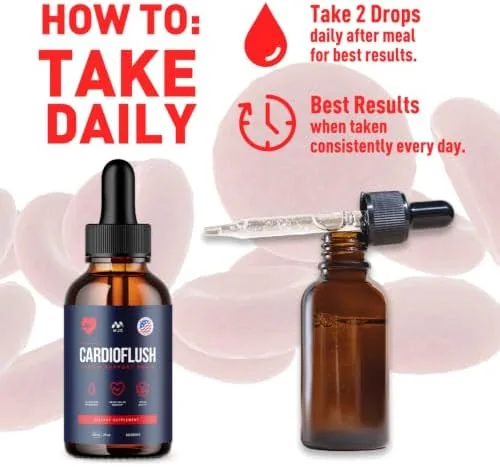
The practical rule is simpler than the folklore: pick a daily anchor you will not forget, usually your largest meal, and take your supplement at the same time every day. Consistency is the variable that actually moves results, because slow-lane ingredients depend on steady levels rather than a perfectly optimised clock. A dose you remember beats a “perfectly timed” one you skip half the time. The clearest worked example is CoQ10 dosing, absorption and what the trials actually used, where taking it with a fatty meal matters more than the hour on the clock.
How to run a fair personal trial
Because you cannot feel most of these effects, guessing is a poor guide. Set up a simple experiment instead. First, pick one objective marker: consistent home blood-pressure readings taken at the same time of day, or a repeat cholesterol panel after about three months. Second, take a clean baseline before you start. Third, commit to a realistic window; for most slow-lane ingredients that means a minimum of 8 to 12 weeks of consistent daily use. Judging on day five tells you nothing.
The final rule is the one people break most: change one thing at a time. If you simultaneously start a supplement, cut sodium, begin walking daily and sleep more, you will never know what produced the result, and you might credit the bottle for the walking. Isolate the variable, measure it honestly, and share the numbers with your clinician. That discipline is what separates an informed decision from wishful thinking.
Medical note: this article is general information, not medical advice. Some heart-health ingredients interact with blood thinners and blood-pressure medications, and “natural” does not mean risk-free. Speak to a healthcare professional before starting, especially if you are pregnant, nursing, or taking prescription drugs. Chest pain or pressure, a heartbeat that races or flutters, fainting or near-fainting, or sudden breathlessness are emergency symptoms — call your local emergency number or go to an emergency department rather than reaching for a supplement.
Frequently asked questions
How long before heart supplements show results?
It depends entirely on the ingredient. Beetroot nitrate can measurably support blood flow within a few hours of a dose, which is why athletes take it before events. Most others work slowly: CoQ10, magnesium and garlic typically need 4 to 12 weeks, and lipid effects from citrus bergamot build over a similar 4-to-12-week window. Give any daily supplement at least two to three months before judging it.
Why do some supplements work faster than others?
Fast-acting ingredients like dietary nitrate feed a signalling pathway that changes blood-vessel tone within hours. Slower ingredients work by gradually correcting a level or shifting a biological process. Magnesium has to replenish body stores, CoQ10 needs blood levels to climb and tissues to adapt, and bergamot's effect on cholesterol depends on weeks of altered metabolism, not a single dose.
Does taking supplements with food change timing?
Food changes how much you absorb more than how fast an effect appears. Fat-soluble ingredients such as CoQ10 absorb far better with a meal containing some fat, so taking them with food improves the outcome rather than the speed. Some forms of magnesium are gentler on the stomach with food. Consistency at the same daily meal matters more than the exact clock time.
How do I know if a supplement is working?
Track something objective rather than relying on how you feel. For blood-pressure support, take consistent home readings at the same time of day before and after an 8-to-12-week trial. For cholesterol, a repeat blood panel after about three months is the honest test. Change one thing at a time so you can actually attribute any difference, and share the numbers with your clinician.
Scientific references
- NIH Office of Dietary Supplements — dietary supplement fact sheets
- NIH NCCIH — High Blood Pressure and Dietary Supplements
- Ashor AW et al. — Medium-term effects of dietary nitrate supplementation on systolic and diastolic blood pressure in adults: a systematic review and meta-analysis, J Hypertens 2017
- Abdelhamid AS et al. — Omega-3 fatty acids for the primary and secondary prevention of cardiovascular disease, Cochrane Database Syst Rev 2020
- Jenkins DJA et al. — Supplemental Vitamins and Minerals for Cardiovascular Disease Prevention and Treatment: JACC Focus Seminar, J Am Coll Cardiol 2021
Related reading
Give a consistent routine a fair chance
A daily cardiovascular formula built around studied botanicals and circulation support — with every ingredient and its evidence laid out.
Order Now